Finding the right support can make a big difference in your care experience.
What to Look for in a Treatment Provider
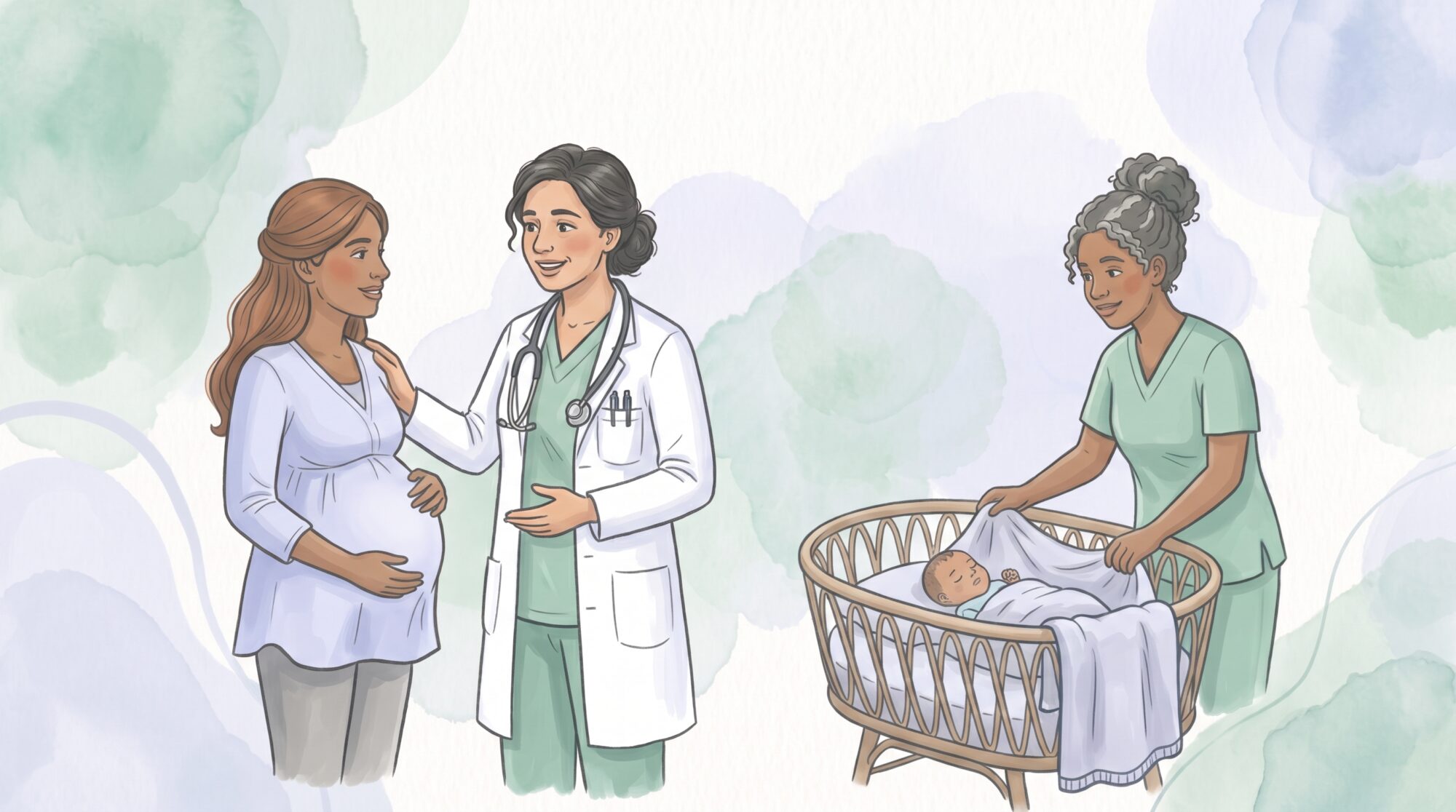
Talk to a health care professional about finding specialized care for pregnant women with opioid use disorder. They can work to ensure both you and your baby are healthy throughout your pregnancy and delivery.
Navigating Barriers to Care
Depending on your income, you may qualify for Medicaid during pregnancy and up to 12 months after delivery.
South Carolina Medicaid covers MAT (Medication Assisted Treatment)/MOUD (Medications for Opioid Use Disorder) for women who qualify.
Pregnant women in South Carolina generally qualify for full-benefit Medicaid if household income is at or below 199% of the federal poverty level.
- For South Carolina Medicaid help, call 1-888-549-0820.
- Sometimes, women worry about how their health care provider will react if they say they are using opioids. However, there is a lot that health care providers can do to help you have a healthy pregnancy and a healthy baby.
- Sometimes, women worry about legal consequences of telling a health care professional about substance use during pregnancy. Laws vary by state, but generally, seeking out help early on in your pregnancy is encouraged, not punished.
Navigating Care Throughout Pregnancy: What happens in the MAIN program, step by step?
If you live in Pickens or Anderson county, you may be able to participate in the MAIN program.
What is MAIN?
MAIN stands for Managing Abstinence in Newborns. At MAIN, we use best practices to care for pregnant women with opioid use disorder and their newborn babies. Our treatment prevents your baby from suffering or having negative health outcomes.
MAIN supports families at every step. This means working with doctors who care for pregnant women using opioids, staying connected with the baby’s regular doctor, and partnering with local services in the community.
MAIN Step 1: Consultation during pregnancy
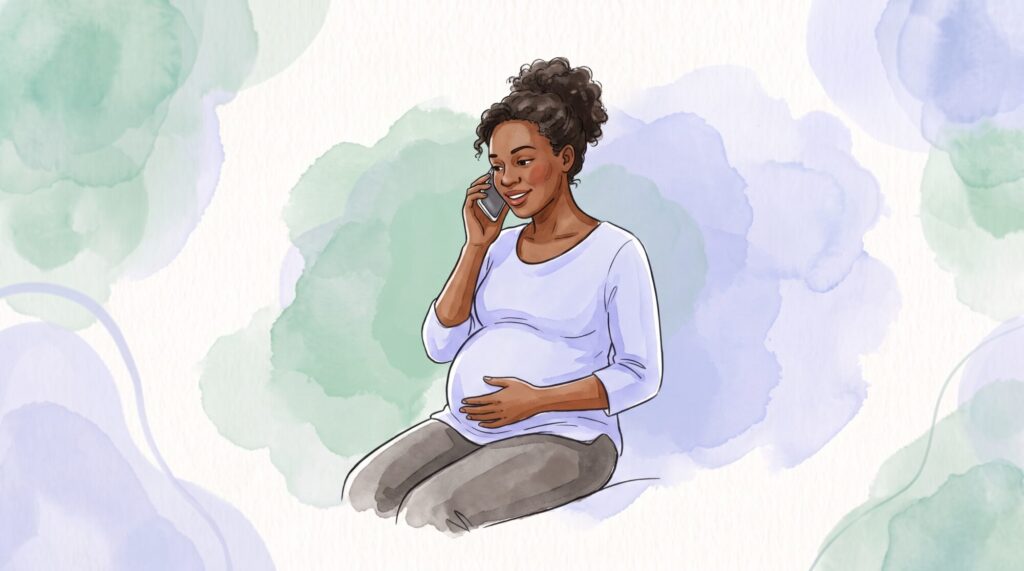
- If you enroll in MAIN, first we will schedule a phone call with you to discuss your potential care plan for pregnancy, birth, and beyond. During this call, we can answer all your questions about pregnancy and what to expect in the hospital. We will estimate your baby’s risk for withdrawal symptoms, also known as Neonatal Abstinence Syndrome or NAS. We will recommend a treatment plan based on the medicines you are taking.
Your care plan could also include connection with community resources, infant care supplies, and more. Learn more about all the services MAIN can offer.
We will also discuss any special circumstances or concerns you may have, such as DSS involvement or hepatitis C virus. Our goal is to be as helpful as possible! Find more information about how MAIN approaches DSS involvement and connection with social services.
MAIN Step 2: Care for you and your baby at the hospital
We support you when you and your newborn baby are at the hospital.
Your baby will be monitored in the hospital for at least 5 days. Babies treated with medication may be in the hospital for 2 weeks or more. You will leave the hospital when your baby is feeding well, not losing weight, and has low withdrawal symptoms while off medication. Some babies need extra days in the hospital to learn feeding skills.
- Mothers provide better comfort to their babies than anyone else. Your touch, your smell, and your voice are all therapies for your baby. That’s why we make sure that MAIN moms stay in the same hospital room as their babies. We support both moms and babies during this time.
MAIN Step 3: Caring for you when you go home
We keep supporting you after you go home.
- We can give you supplies for you and your baby.
- We can help you with breastfeeding counseling.
- We can organize home health visits for you, with a health navigator that can assist you with supplies and parenting support, as needed
- We can connect you to other local community resources.
Learn more about all the ways MAIN can support you, up to five years after your baby is born.
What if I don’t live in Pickens or Anderson county?
- Right now, MAIN is available in Pickens or Anderson counties. If you live in a different part of South Carolina, check out state and national-level resources.
Conclusion
- If you are taking opioids and you are pregnant, there is a serious risk to you and your baby’s health. There is also a lot that health care providers can do to help you have a healthy pregnancy and a healthy baby. If you live in Pickens or Anderson county, the MAIN program is a great place to get help. To learn more about MAIN, visit our website www.mainbabies.org, or click the following link for more information on how to sign up.